Industrial electrical & automation

Built on trust. Proven on production lines.

Since 2004, Delyx has delivered practical electrical and automation systems for food-processing plants, conveyors and industrial machinery across South Africa.

Clear communication Practical engineering Support through commissioning
Established in 2004 Industrial experience built through real production projects.
One project team Design, panels, programming, installation and commissioning.
Nationwide service Projects and technical support across South Africa.
Long-term relationships We aim to remain the team clients call again.
What we do

Complete control systems without unnecessary complexity

Delyx can deliver the complete electrical and automation scope or assist with one specific part of a project.

SYSTEMS

Control panels, PLCs, HMIs & drives

Electrical design, panel manufacturing, control software and operator interfaces.

View control-system services →
INTEGRATION

Conveyors & production lines

Product flow, machine handshakes, sensors, counting and coordinated sequences.

View integration services →
Industries we know

Experience where product flow matters

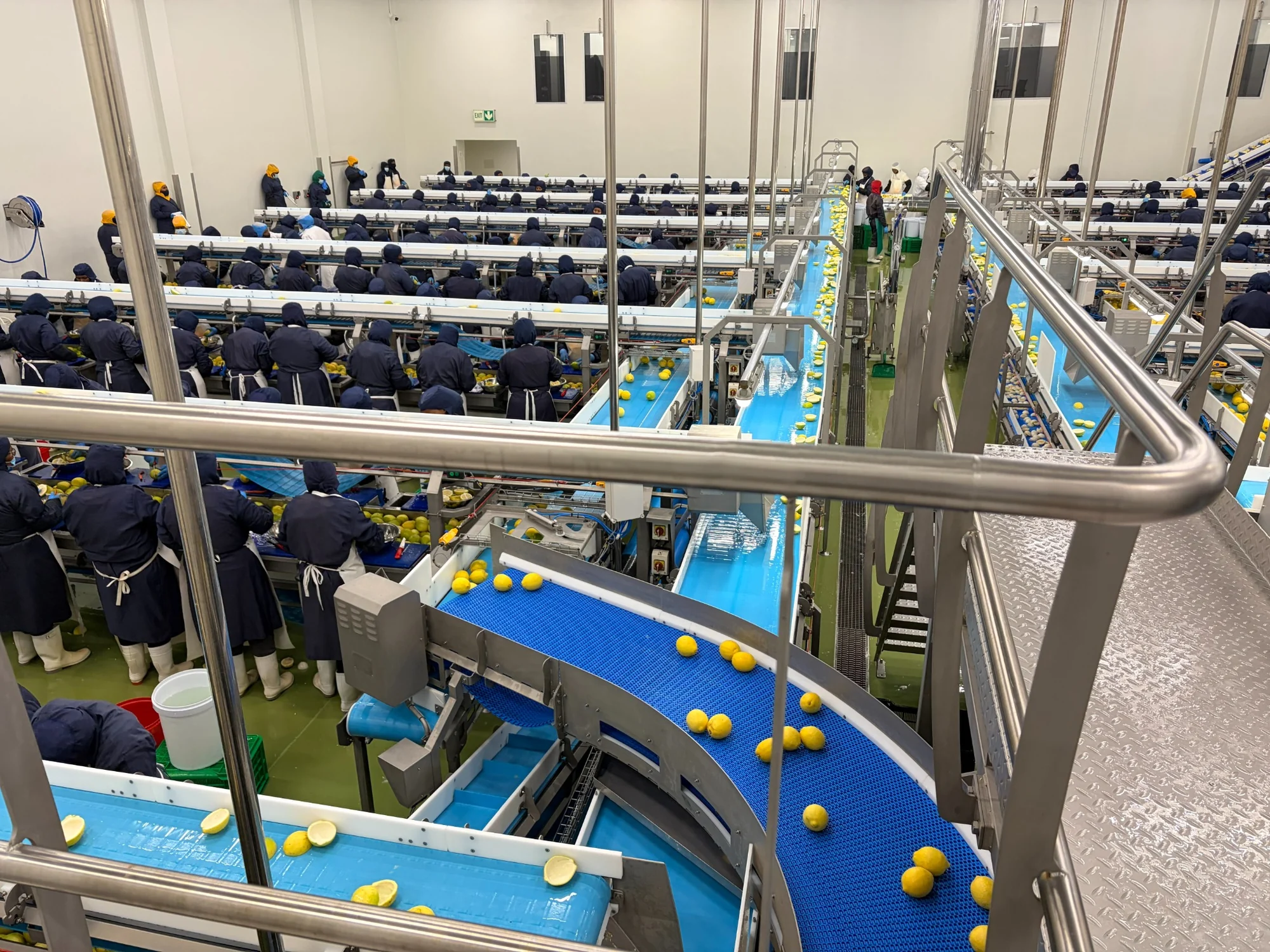
Our strongest experience is in raisin processing, meat and poultry production, IQF and freezer lines, packing systems and conveyor automation.
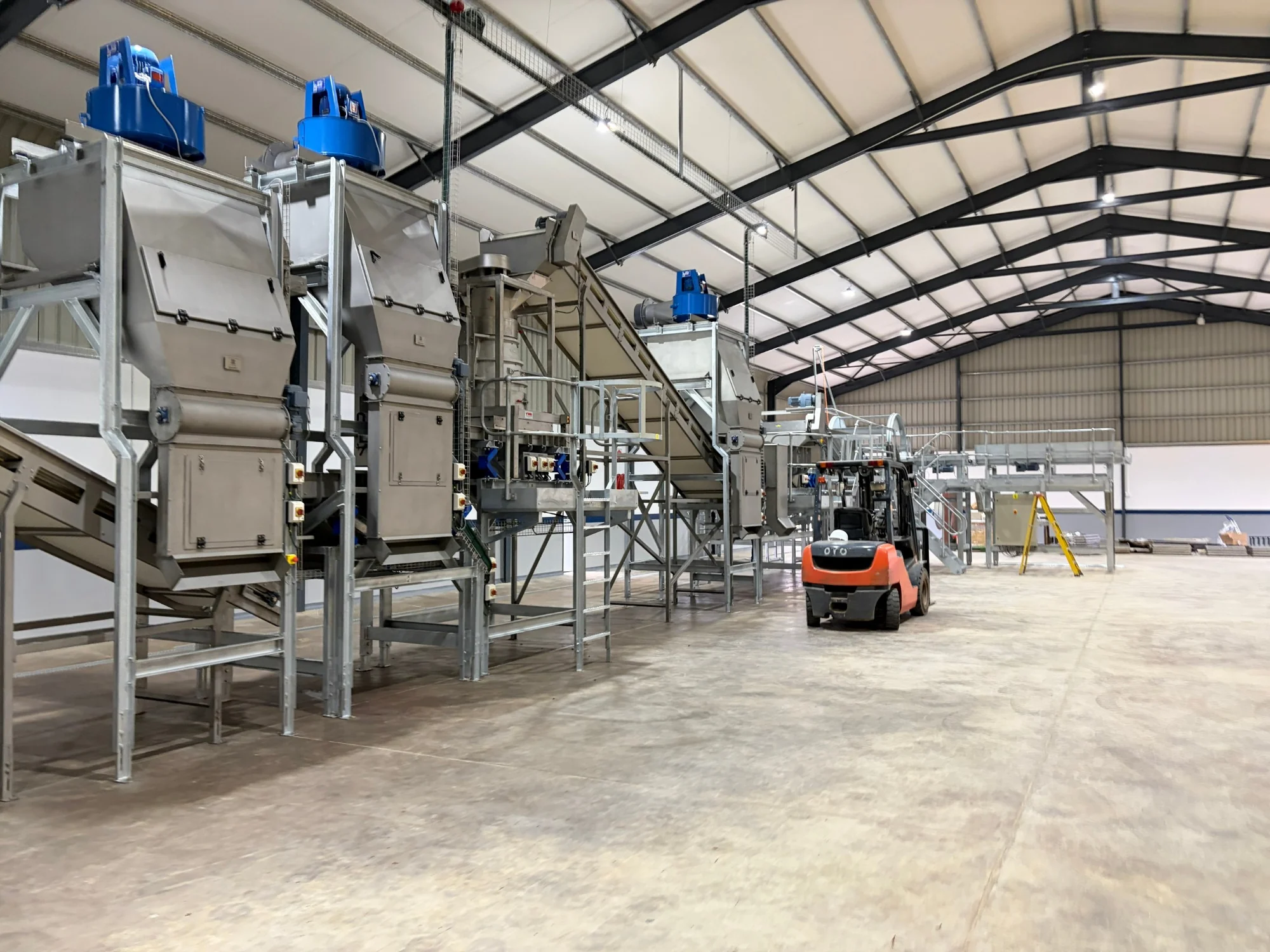
Complete raisin-processing and dry-line control
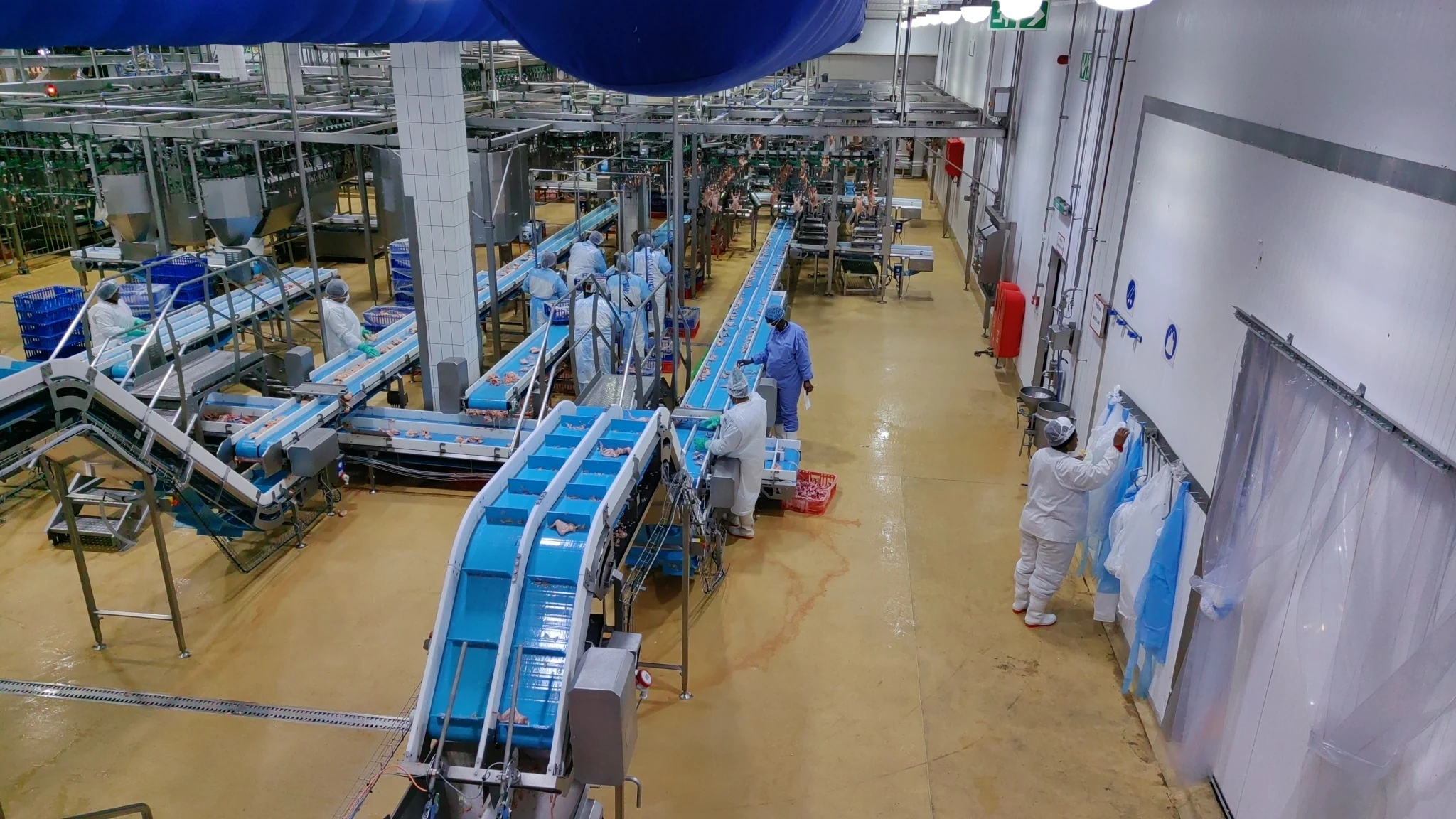
Meat, poultry, freezer and downstream handling systems
Conveyor integration between equipment from different suppliers
Integrated dry-line processing equipment
Meat and poultry processing conveyors
Large industrial conveyor and processing line
When automation makes sense

Consider automating when manual work is limiting the process

Automation delivers the most value when it solves a clear production, quality, safety or maintenance problem.

When to consider automation

  • Repetitive manual tasks are slowing production
  • Product flow or quality is inconsistent
  • Machines need better coordination between processes
  • Operators cannot easily see why the line has stopped
  • Manual handling creates unnecessary safety or ergonomic risks
  • The existing system cannot support planned production growth

Why automate

  • More predictable production and throughput
  • Consistent machine sequences and process control
  • Reduced repetitive handling and operator error
  • Faster fault finding through alarms and equipment status
  • Better control of motor speeds and operating conditions
  • A system that can be adjusted or expanded as production changes

The right starting point is not to automate everything. It is to identify the part of the process causing the greatest delay, inconsistency or risk, and build the solution around that need.

Planning a new line, upgrade or repair?

Send us the project details and site location so we can understand the requirement.